


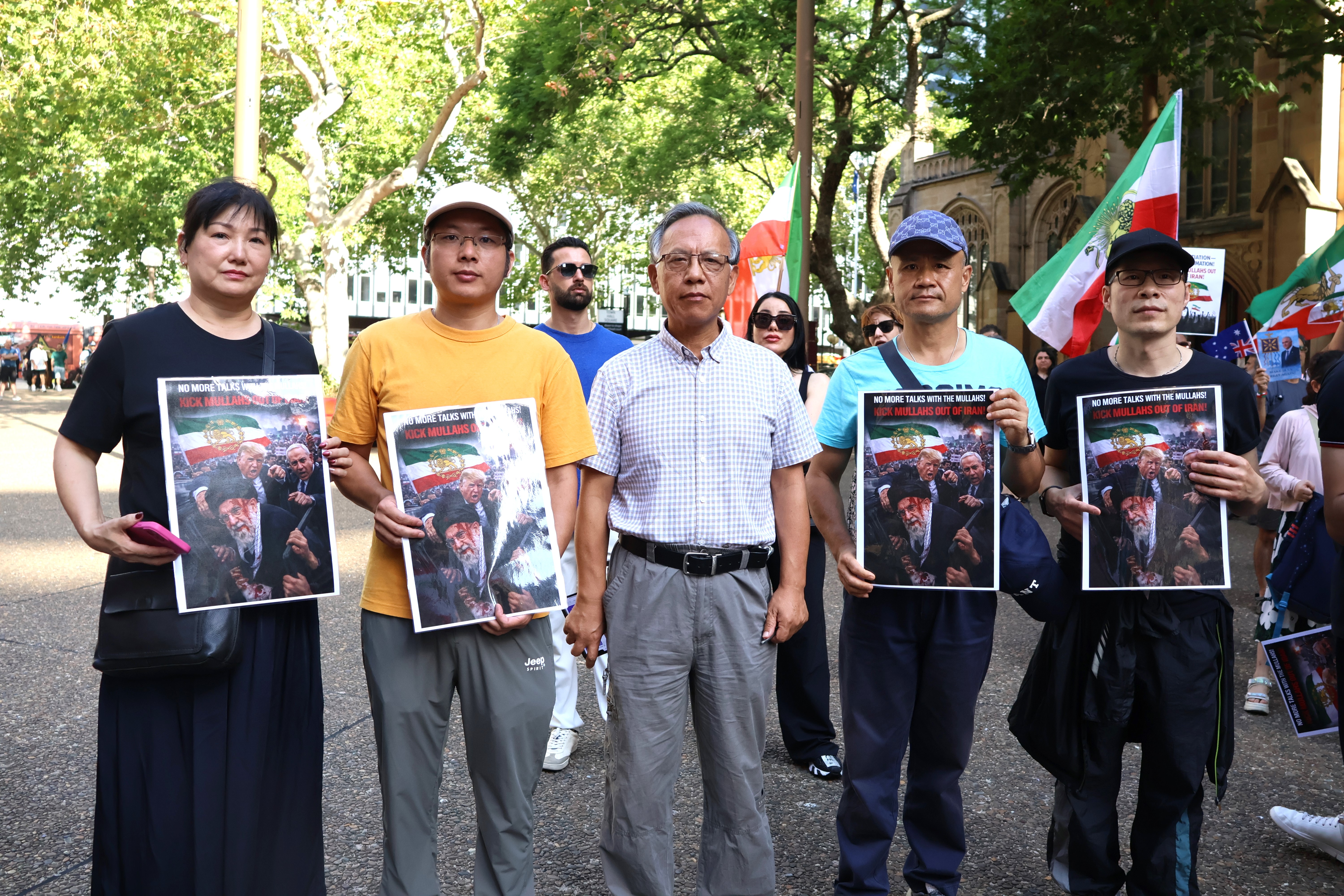
【大紀元2026年01月31日訊】【編者按:1月31日傍晚,秦晉博士受邀在悉尼市政廳舉行的伊朗社區集會上發表演講。他回顧了伊朗自1970年代以來的歷史轉折,直指1979年宗教革命後政教合一體制給伊朗社會帶來的長期苦難。他認為,近半個世紀的民眾抗爭在高壓統治下付出慘痛代價,僅靠內部反抗已難以改變現狀;唯有「霹靂手段的正義」,即國際力量的實質性介入,才能終結毛拉政權,為伊朗人民帶來解放與重建的契機。下面是演講的中英文全文】
秦晉博士:霹靂手段的正義才能解救伊朗
很榮幸受到今天集會的組織者的邀請並做一個發言。我是秦晉,中國民主與自由的追求者。
我最早知道伊朗,是在 1974 年亞洲運動會。伊朗以東道國身分出現在亞洲舞台中央,距今已大約半個世紀。彼時的伊朗,尚處在 巴列維國王(穆罕默德·禮薩·巴列維)統治之下,是一個在冷戰格局中明顯向西方傾斜、以現代化與世俗化為發展方向的國家。
伊朗的變天是1979年的霍梅尼宗教革命,那場革命得到了伊朗民眾的支持,也得到了國際社會的默許。從此伊朗成為了一個政教合一的國度。
革命的結果,是伊朗從一個親西方的世俗君主制國家,轉變為一個以什葉派神權為核心的政教合一體制。霍梅尼提出的「法基赫監護」(Velayat-e Faqih)原則,確立了宗教領袖在國家政治中的最高權威。這一制度設計,既是對伊朗傳統宗教結構的制度化,也是對現代民族國家形式的一種獨特重構。
從此,伊朗走上了一條與1970年代想像中截然不同的發展道路:在意識形態上與西方全面對立,在政治結構上強調宗教合法性,在對外關係上不斷與國際體系發生摩擦。
伊朗人民經歷了巨大的苦難,近半個世紀來,發生過多次的民眾抗爭,但是都被無情地鎮壓了下去。
而最近爆發的全國性抗議,據當地衛生官員稱,伊朗抗議活動死亡人數可能超過3萬人。僅僅依靠伊朗人民前赴後繼的抗爭,是無法戰勝哈梅內伊毛拉政權的。原因很簡單,這個政權極其冷血,無情殺戮任何敢於反抗的普通民眾,血肉之軀在無情殺戮面前極其脆弱,不堪一擊。
BBC認為專制政權的消亡是一個漸進又突發的過程,但伊朗還未到那一步。我認為BBC的觀點大錯特錯,伊朗已經到了毛拉政權消亡的地步。原因是國際力量的介入,也就是美國的介入。聯合國為首的國際社會對面對伊朗人民的苦難無動於衷,他們能夠提供的只是口惠而實不至的虛偽,甚至與世界上所有邪惡勢力沆瀣一氣。
現在情況發生了變化,美國出現了一位不講政治正確的總統,我相信他會出手消滅伊朗毛拉政權,解放伊朗。我也很有耐心但很急迫地期待他兌現對伊朗人民的承諾Help is on the way。至於伊朗在毛拉政權被擊潰以後走向何方,則是伊朗人民的自己選擇。
回望1974年亞運會那個仍然自信、開放、意圖融入世界的伊朗,再對照革命之後的伊朗軌跡,歷史的斷裂與反轉,尤顯意味深長。
我站在這裡,表達我對伊朗人民擺脫伊朗毛拉政權的殘酷統治這一訴求的理解和支持,同時希望伊朗人民不要再犯47年前的錯誤。期盼伊朗人民獲得解放,重建伊朗,讓伊朗為世界走向和平、穩定、富庶做出貢獻,讓伊朗成為中東一盞閃耀的明燈。
Dr. Chin Jin: Forceful Justice Is the Only Way to liberate Iran
It is a great honor to have been invited to address the rally. I am Chin Jin, a pursuer of democracy and freedom in China.
The earliest I learned about Iran was during the 1974 Asian Games. As the host state, Iran stood at the center of the Asian stage, and that was nearly half a century ago. At that time, Iran was still under the rule of King Pahlavi, a nation clearly aligned with the West in the Cold War pattern, pursuing modernization and secularization as its developmental direction.
Iran’s dramatic change came with the 1979 Khomeini Islamic Revolution, a revolution that received support from the Iranian people and tacit approval from the international community. From then on, Iran became a theocratic state where religion and politics were fused.
The outcome of the revolution was Iran’s transformation from a pro-Western secular monarchy into a theocratic system centered on Shia clerical rule. The principle proposed by Khomeini established the supreme authority of the religious leader in national politics. This institutional design both formalized Iran’s traditional religious structure and represented a unique reconfiguration of the modern nation-state form.
From that point, Iran embarked on a development path radically different from what was imagined in the 1970s: ideologically in complete opposition to the West, politically emphasizing religious legitimacy, and in foreign relations constantly clashing with the international system.
The Iranian have endured immense suffering. Over nearly half a century, there have been multiple waves of popular resistance, but all were ruthlessly suppressed.
In the most recent nationwide protests, according to reliable sources, the death toll may exceed 30,000. Relying solely on the Iranian successive acts of resistance is insufficient to defeat the mullah regime under Khamenei. The reason is simple: this regime is extremely ruthless, mercilessly slaughtering any ordinary citizens who dare to resist. Human flesh and blood are extremely fragile and vulnerable in the face of such relentless killing.
The BBC believes that the demise of authoritarian regimes is a process that is both gradual and sudden, but Iran has not yet reached that point. I think the BBC’s view is profoundly mistaken—Iran has already reached the stage where the mullah regime is on the verge of collapse. The reason lies in the intervention of international forces, specifically that of the United States.
The international community, led by the United Nations, has remained indifferent to the suffering of the Iranian people; what they can offer is nothing more than empty words and hypocritical gestures, or even colluding with all the evil forces in the world. Now the situation has changed: the United States has a president who does not adhere to political correctness, and I believe he will take action to eliminate the Iranian mullah regime and liberate Iran. I am both patient and urgently awaiting him to fulfill his promise to the Iranian: “Help is on the way.”
As for the direction Iran will take after the mullah regime is defeated, that will be the choice of the Iranian themselves.
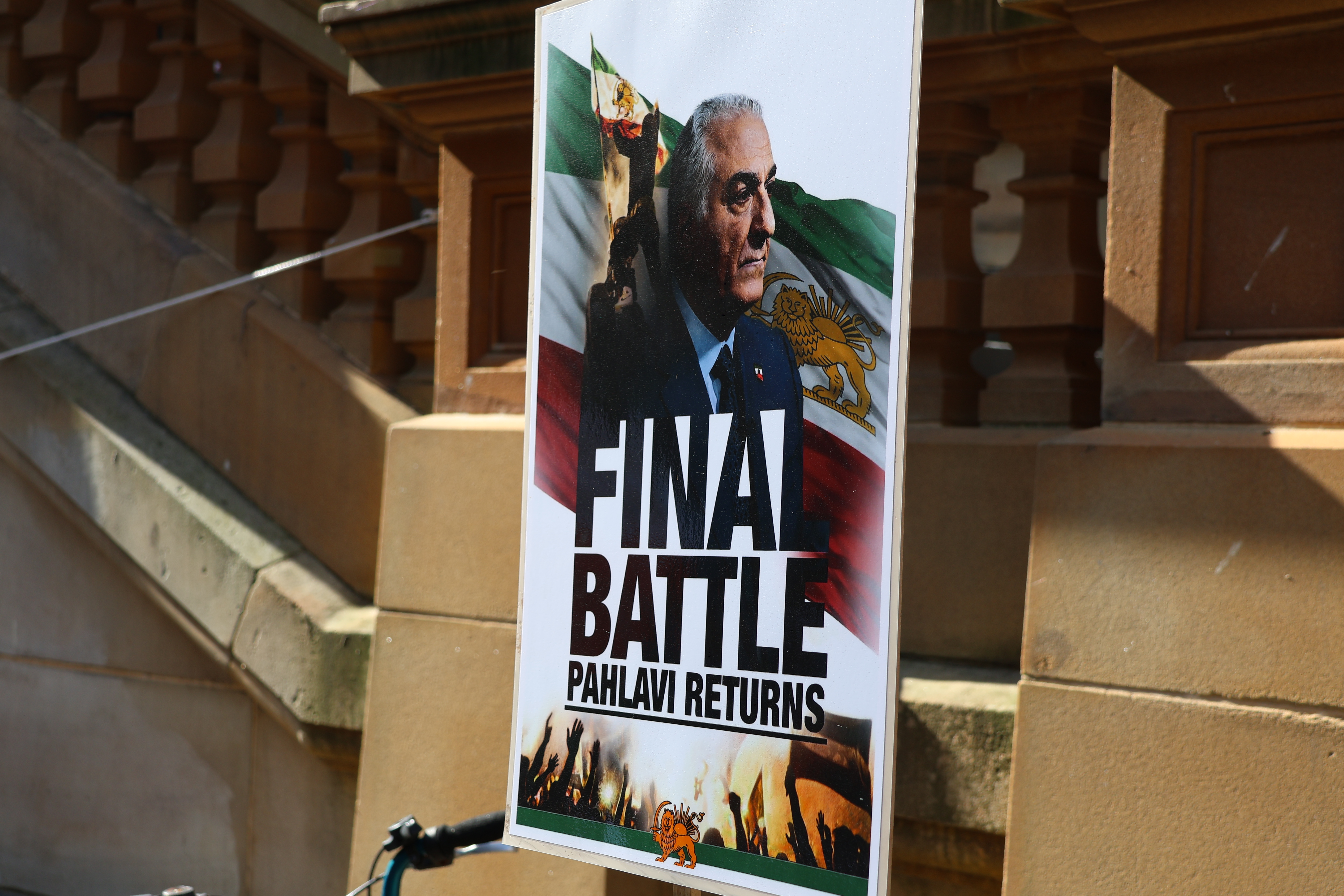
Looking back at the confident, open Iran of the 1974 Asian Games—one that sought to integrate into the world—and comparing it to the trajectory of Iran after the 1979 revolution, the rupture and reversal of history feel especially profound and meaningful.
Standing here, I express my understanding and support for the Iranian demand to break free from the cruel rule of the Iranian mullah regime, while hoping that the Iranian will not repeat the mistakes made 47 years ago. I look forward to the liberation of the Iranian, to the rebuilding of Iran, so that Iran can contribute to a world moving toward peace, stability, and prosperity, and become a shining beacon in the Middle East.
責任編輯:李子吟
了解更多澳洲即時要聞及生活資訊,請點擊 dajiyuan.com.au
(本文未經許可不得轉載或建立鏡像網站)
(本文表達的是作者的觀點,不代表《大紀元》的觀點。)